Imagine you are a woman living in the year 1902. You have been experiencing a myriad of unexplained symptoms over the past few months, including irritability, headaches and anxiety. Despite your exhaustion, your mind is restless at night, and most days you’re only able to manage a few hours of sleep. You relay all this to the local town doctor, desperate for a solution. The doctor listens to your woes, then delivers the devastating diagnosis. You, like many other women of the time, are experiencing a bout of hysteria. The solution is simple, the doctor says. All you need is isolation, food and lots of rest. Limit all physical exertion. Not to worry, the doctor tells you. Hysteria is common amongst vulnerable minds — many women experience the exact same thing.
Though such a scenario may seem far-fetched or even absurd in modern times, this was the misogynistic reality of women’s healthcare not so long ago. Up until 1980, “hysteria” was used as a catch-all diagnosis, especially with female patients, for any set of inexplicable physical and psychological symptoms. The term originates from the Greek word for uterus (hystera), as the Ancient Greeks once believed the uterus to be the root of women’s health issues. Specifically, Greek physicians believed in the “wandering uterus” theory, which claimed that the uterus had the ability to move throughout the body and bring about a variety of physical ailments. As treatment, physicians would put pleasant smells near the vagina as a way to coax the uterus back into place. Other treatment methods proposed intercourse or marriage as a way of fulfilling the womb’s “inherent desire” to settle and bear children. Even when the “wandering uterus” theory fell out of popularity in the medical field, misogynistic attitudes towards women’s health issues remained.
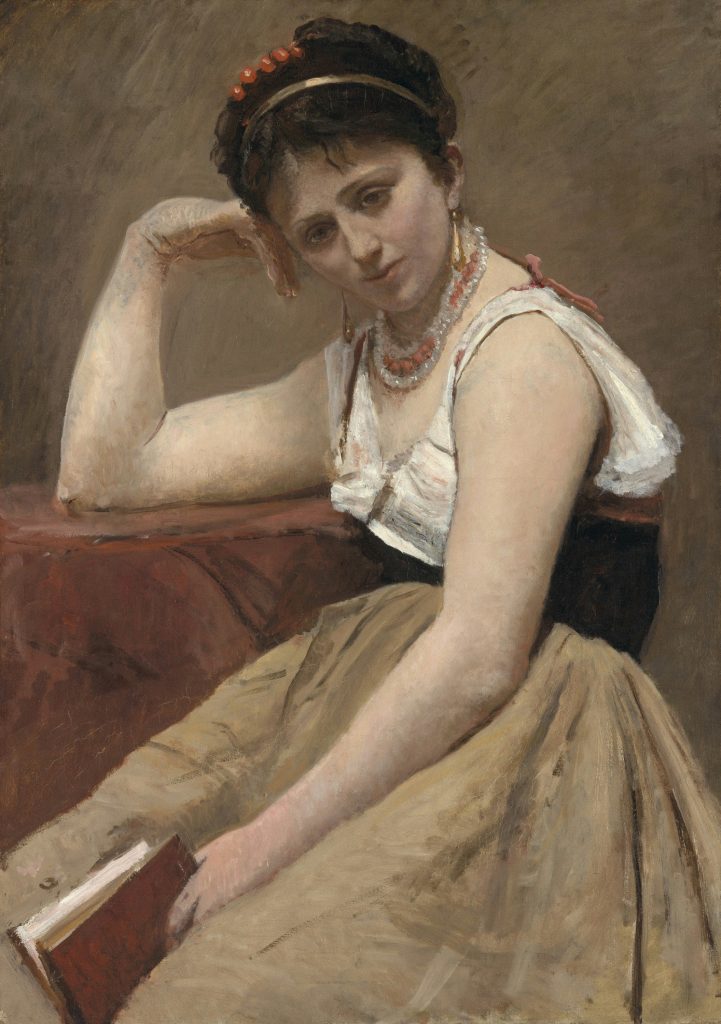
Image source: Unsplash
Fast forward to the 19th century, hysteria was considered more of a psychological disorder rather than a physical one. Women experiencing any sort of psychological distress were prescribed “rest cures”, under the unsubstantiated belief that bedrest would rid the fragile mind of any emotional distress. The implications of this treatment are famously described in Charlotte Perkins Gilman’s short story, “The Yellow Wallpaper”, which depicts the narrator’s slow descent into madness after being forced to adhere to a regimen of rest and confinement. Drawing from her personal experience with postpartum depression, Gilman’s story serves to underscore and protest the continual oppression of women in the medical field.
Why Women’s Health is Still a Battleground
Although hysteria is no longer recognized as a valid medical diagnosis, women’s health issues are still minimized in medicine. Compared to men, women are more likely to experience chronic pain, delays in diagnosis and treatment and lower priority in emergency situations. Physical symptoms are often dismissed as merely psychological or met with the explanation of “it’s just hormones”. Yet ironically, research on the effects of hormonal fluctuation unique to the menstrual cycle is severely lacking. Despite only constituting half of the global population, male subjects are often assumed to be representative of the human species. Females and intersex individuals are consequently prescribed treatments that are ill-suited or ignorant of their health needs. Additionally, women’s health conditions such as polycystic ovarian syndrome, endometriosis, premenstrual dysphoric disorder and postpartum depression are poorly studied and therefore greatly underdiagnosed amongst patients.

Image source: Unsplash
Fortunately, many groups are actively working to address this disparity in healthcare research. A study done by Rizor et al. investigated structural changes in the brains of 30 women throughout different phases of their menstrual cycle. White matter volume was found to change in accordance with levels of estrogen and luteinizing hormone, while grey matter volume changed in proportion to levels of follicle stimulating hormone. Strikingly, increases in estrogen have also been associated with improved speaking fluency and greater bilateral thinking, sparking discussions on leveraging hormonal changes to maximize cognitive functioning. Other research groups have chosen to focus on specific women’s health issues, such as premenstrual dysphoric disorder (PMDD). Individuals with this condition experience heightened anxiety, irritability and depression before menstruation, often with symptoms severe enough to impact their quality of life. An investigation by Dubol et al. observed that individuals with PMDD had smaller volumes of grey matter in the brain compared to healthy controls, providing a possible underlying cause for this condition. Considering the dramatic hormonal changes that occur during puberty, menopause or gender affirming treatment, these findings challenge the male-centric assumptions of past research and provide a compelling reason for investigations geared towards women’s unique health needs.
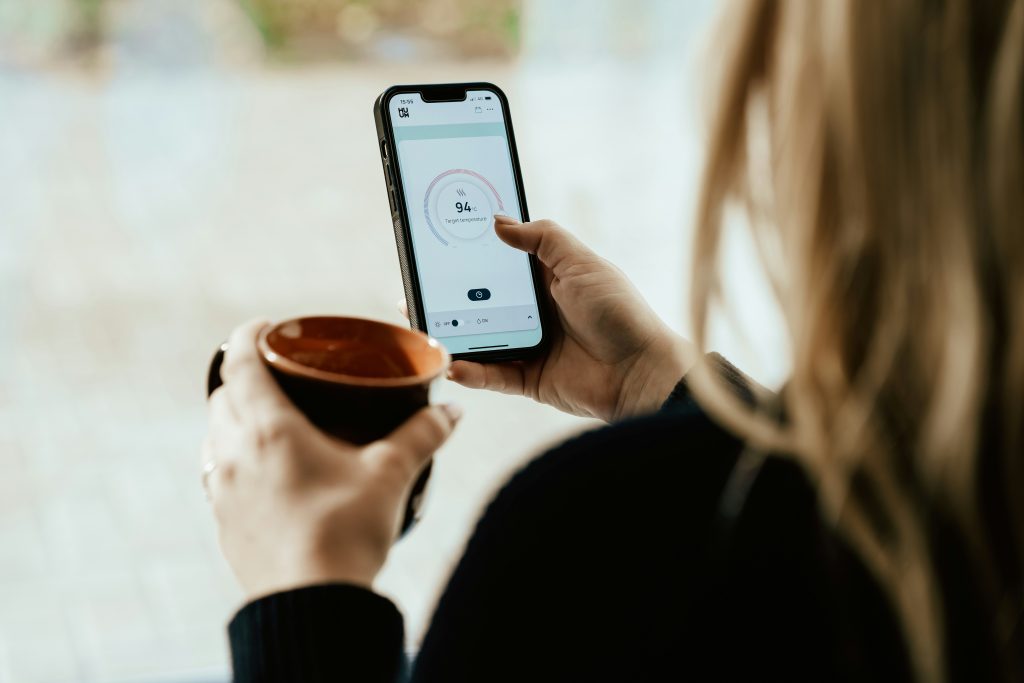
Image source: Unsplash
Women’s Health Beyond the Lab
In a more positive light, these new research findings have already paved the way for practical healthcare solutions. Take, for example, Fibra, a smart underwear design that provides women with personalized information on their reproductive health. The company was founded in 2022 by Parnian Majd, a biomedical engineer who felt passionate about addressing the gender inequalities in healthcare. Drawing inspiration from her engineering background, Majd aimed to combine cutting-edge sensor technology with a research-backed understanding of women’s health. The resulting creation was Fibra. The garment is made from patented biosensing yarns and features a discreet detection device on the waistband. Once synced with the app, users are able to receive real time statistics on their menstrual cycle, fertility, heart rate, body temperature, and vaginal pH. In 2024, Fibra was recognized as the Best Reproductive Health Monitoring Technology Company in Canada, setting the stage for a bright future in women’s health technology.
For far too long, the scientific community considered the white, able-bodied male to be the ideal subject for research and inquiry, an assumption rooted not in biological truth, but in hundreds of years of patriarchal messaging about who in our communities are worth studying. In medical research specifically, a woman’s hormonal profile and menstrual cycle was seen as an inconvenience, a destructive source of variability that would tamper with research results and thus lead to inaccurate findings. This covert form of medical misogyny — misogynistic attitudes that shape the medical care women and gender minorities receive — has halted decades of progress on women’s health by justifying the exclusion of women from research samples. For many women, a broader lack of scientific and cultural appreciation and understanding of menstruation has not only led to incredibly harmful taboos, but has also compromised a woman’s ability to understand her own body.
Here’s where Stardust comes in. Born from a need to help women reclaim power over their bodies, Stardust is an app designed to help women track and decode their hormonal and menstrual cycles in an efficient, creative, affirmative and scientifically true manner. As a women-owned and data encrypted app, users can log in information about their diet, moods, vaginal discharge, what stage of their cycles they are in and much more, to receive personalized yet medically grounded insights about their body.

Image source: Unsplash
Discussion of women’s health has also gained popularity via social media trends. The concept of “cycle syncing”, for example, has become a hot topic amongst TikTok users. The idea is simple: your daily exercise and diet should reflect the fluctuations of your menstrual cycle. For instance, high intensity exercise is more optimal during the ovulation phase, whereas low impact movements are better suited for the menstrual phase. By adapting their daily routine to be better matched with their cycle, individuals hope to moderate hormonal symptoms and optimize energy levels. Despite the fact that there is little scientific evidence to substantiate the benefits of cycle syncing, experts are surprisingly supportive of the practice. “[It] encourages women to know their body, to be mindful of where they are in their cycle and the hormonal changes that are happening so that they can be really more generous, forgiving and tender to their bodies,” says Dr. Irene Woo, a reproductive endocrinologist, in an interview with TODAY.com.
No matter the benefits, it’s inspiring to see the increasing advocacy for underrepresented groups in research and healthcare. This awareness not only encourages gender specific treatments for women and other marginalized groups in medicine, it also motivates individuals to take charge of their health and demand better, more equitable care.