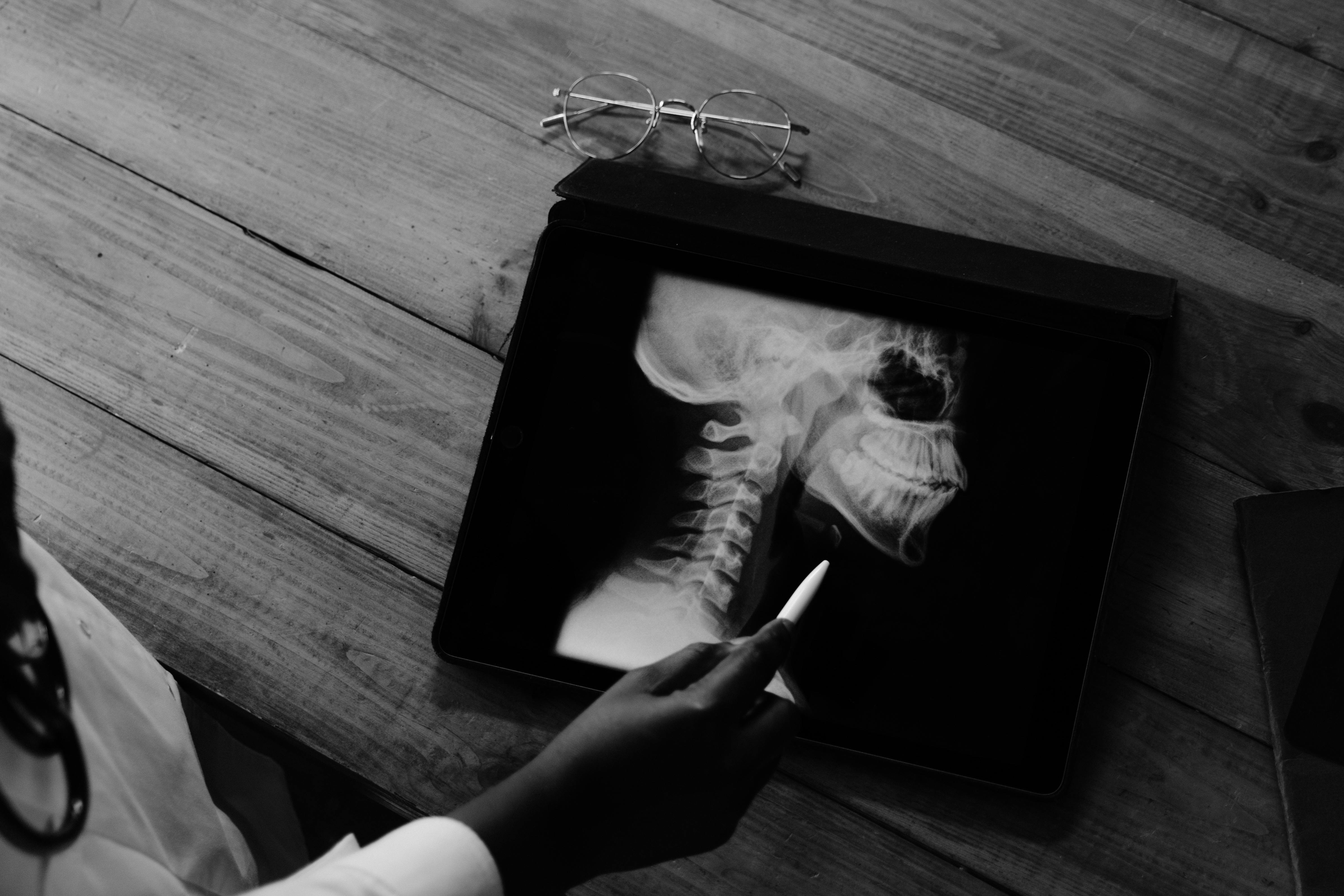
The healthcare system depends not only on the work and intelligence of doctors and nurses, but also paramedics, technicians, radiologists, therapists and more — all of whom work behind the scenes to provide quality care to patients. However, burnout among healthcare workers is common.
Though the evolution of artificial intelligence has maintained a steadfast reputation of being a negative disruption to man-dominated industries, there have been discussions around the use of AI as a potential aid to improve efficiency and patient care, and reduce the burden on healthcare systems, particularly in medical imaging.
However, it is imperative that in its most fundamental role, AI should be used to enhance or improve the efficiency of the systems it works on, not act as the sole contributor.
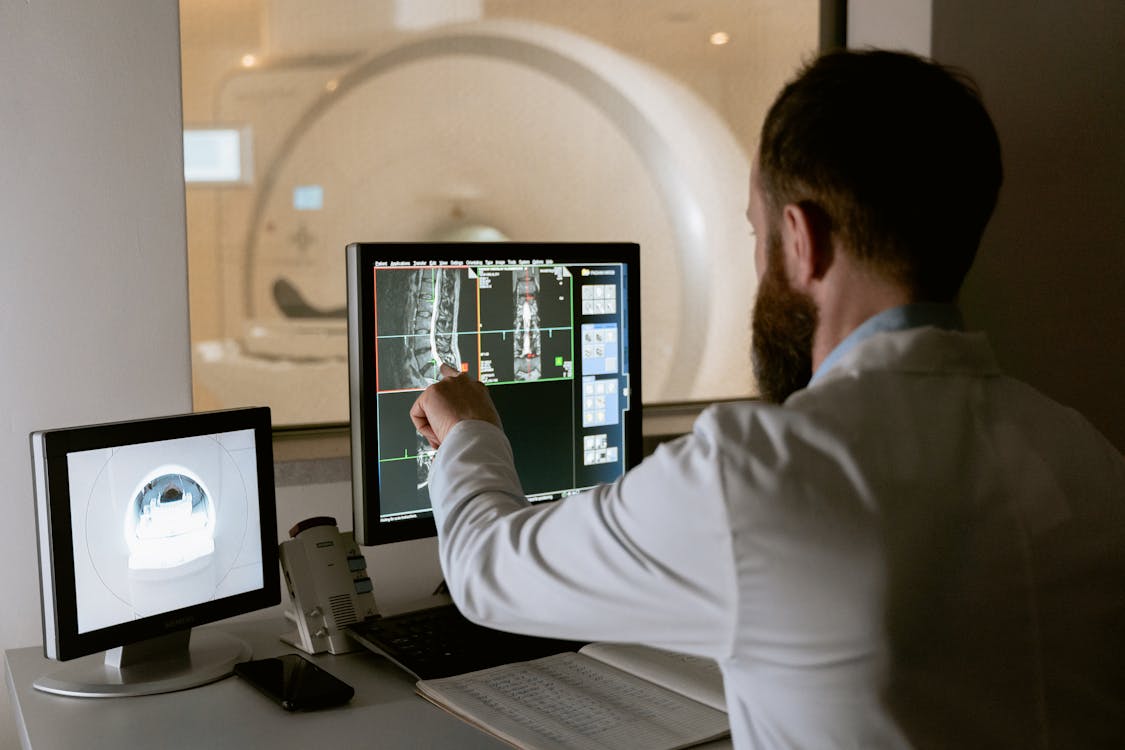
Image Source: Pexels
Medical imaging is the process of examining the body’s interior through visual representation. Radiology is an important department in the medical system because radiologists can relay important and often life-saving information about maladies or infections affecting patients. In fact, about 1.5 million nuclear medicine procedures are performed annually in Canada. However, due to staffing shortages and a lack of resources, booking a CT or MRI scan often requires long wait times.

Image Source: Pexels
Staff shortages combined with high demand for testing require hospitals to prioritize high-risk cases over low-risk ones. Before the COVID-19 pandemic, patients in Canada waited an average of 50 to 82 days for a CT scan and an average of 89 days for an MRI scan. After the pandemic, average wait times have increased due to the backlog of non-urgent cases created during the pandemic. Though urgent patients who require emergency scans can get them right away, long wait times can cause adverse outcomes in “low-risk” patients as they may become anxious or their illness may worsen and become more difficult to treat later on. Thus, improving efficiency and (more importantly) the accuracy of diagnostic reports, reduces cost and wait times and also improves patient care and reduces stress on healthcare workers.
Radiologists do more than read and interpret images. They also consult with other physicians on diagnosis and treatment. Implementing AI technology can aid technicians when analyzing images from CT scans, MRIs, ultrasounds, and PET scans. A radiologist requires precise attention to detail, especially since bone and tissue fractures can be small and easy to miss. When too much time is spent analyzing an image, it can affect technicians in their duties in clinical and laboratory contexts. The system running smoothly is especially important for diagnosing urgent cases.
AI is not a threat to radiology, it is an opportunity for improvement. Improvements can be made by successfully and ethically implementing AI to aid radiologists in analyzing CT, MRI, and ultrasound images in real-time and acting as a second pair of eyes to detect anomalies which can help reduce response times and false positives, ensuring better care for patients and healthcare workers.
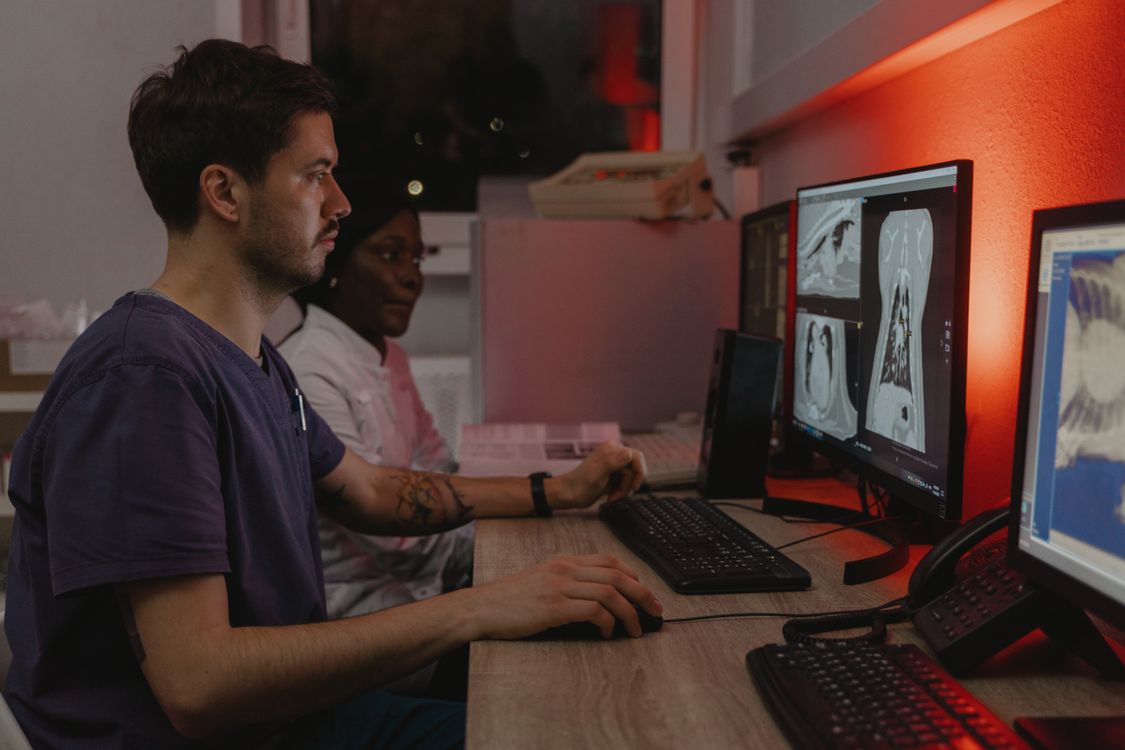
Image Source: Pexels
Featured Image Source: Pexels