I cannot pinpoint the exact moment I became entranced by the “unhinged woman” trope in film and literature. Perhaps it was watching Mia Goth, bloody and axe-wielding, as Pearl in Ti West’s X-Trilogy. Maybe it was Natalie Portman’s iconic “I was perfect” line as Nina Sayers in Black Swan. Perhaps it was Medea killing her own children in Euripides’ tragedy. Or maybe it was the first time I came into contact with the “unhinged woman:” Bertha Mason in Charlotte Bronte’s Jane Eyre. While I cannot pinpoint the exact moment I became utterly captivated and obsessed with the women behind this trope, I can say that I will continue to be for years to come. But why is that? What is it that makes these women and their out-of-the-ordinary behaviour so compelling?
From literature to film to mythology, spanning across genres from the gothic to psychological thriller and Greek tragedy, all of these women have one thing in common: each of them acts against social norms.
Polished, gentle, and nurturing; these are the Western/Victorian ideals that shaped much of how women in Western society were told they should behave and present themselves. Despite being hundreds of years old, the impact and prevalence of these ideals are still present today, shifting, adapting and changing multiple forms to fit the time period.
These patriarchal expectations of softness and self-control influence how women respond to conflict, anger and sadness, how they present themselves in everyday life, and how they form and navigate relationships.
Why then, if this is how women should supposedly act, are they resonating with the opposite extremes of this standard of behaving? Why do women connect with Pearl, a violent individual who yearns for freedom and fame but kills people when she does not get her way? How is it that women do not call Nina Sayers crazy or say she has taken it too far as she lies bleeding out as the white swan at the end of the film, too preoccupied with the perfection of her performance to realize she is dying?
The answer is that while on the surface these female protagonists are not what we are used to seeing, they are a manifestation of many of the thoughts and feelings that women have been conditioned to be ashamed of. Oftentimes, women are taught to hide, soften, apologize for and replace feelings of anger, jealousy and ambition, which are deemed unnatural for a woman. However, by creating characters like Pearl and Nina, who openly express and even embrace these emotions, they end up validating the emotions of women who feel they cannot do the same.
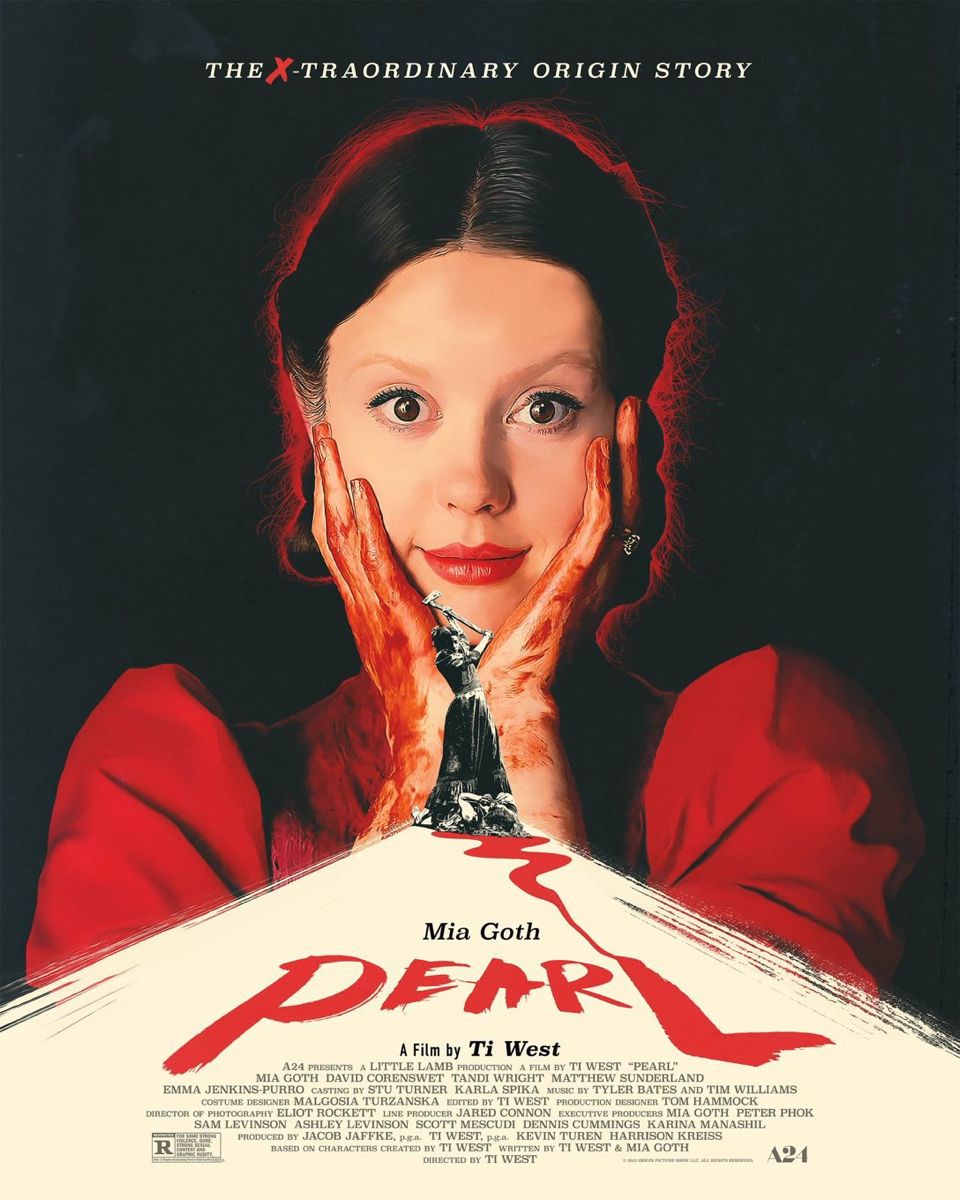
(Pearl T.I West 2022)
Stuck on her family’s farm, isolated by her Germanic non-conforming mother, Pearl yearns for freedom and stardom. However, a life in front of the big screen, away from farm fields and her overbearing mother, becomes out of reach for the young woman as her dreams begin to clash with her home life. While actively fighting against her mother’s wishes and struggling to take care of her ailing father, she awaits her husband’s return home from war. Pearl is essentially shackled by an unfortunate family life she did not choose for herself.
As the reality of being destined to remain on her family’s farm begins to close in around her, Pearl begins to commit deplorable acts of violence. Rather than conform to her religious mother’s ideals or wait patiently for her husband’s return home, she quite literally kills anyone who stands in the way of herself and her dreams. While Pearl could have addressed her out-of-reach dreams with acceptance and grace, like most women would have done, she instead reacts with anger and cruelty.
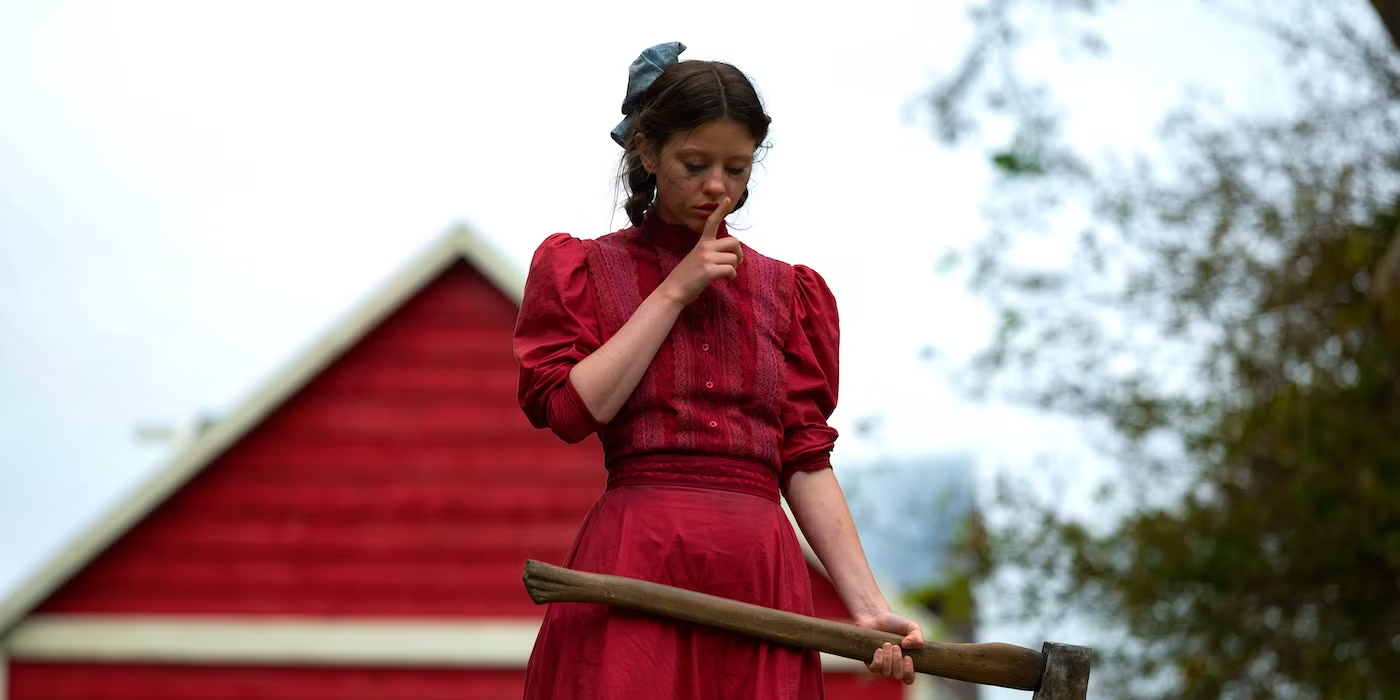
(Image Source: SCREENRANT)
On the surface, Pearl is a woman with a disturbed temper. She is quick to turn to violence, her killer instincts manifesting into a psychotic temper tantrum as a resistance to the various obstacles that threaten to get between her and her dreams of stardom. She is murderous, jealous and unstable. But when one looks beneath her exterior and behind her insanity and violent tendencies, Pearl is lonely and repressed. She is an ambitious dreamer, angry and frustrated at the dull, repetitive and unfair upbringing she is trapped in.
In the final moments of the film, Ti West has Pearl deliver a heartbreaking monologue encapsulating the agonising distance between her dreams and her cruel reality. In this scene, the audience witnesses a different side of Pearl. One that is intimate, emotional and human.
I want to be dancing up on the screen like the pretty gals in the pictures. I want what they have so badly, to be perfect, to be loved by as many people as possible to make up for all my time spent suffering. Sometimes I wake in the middle of the night and the fear washes over me, ’cause what if this is it? What if this is right where I belong? says Pearl.
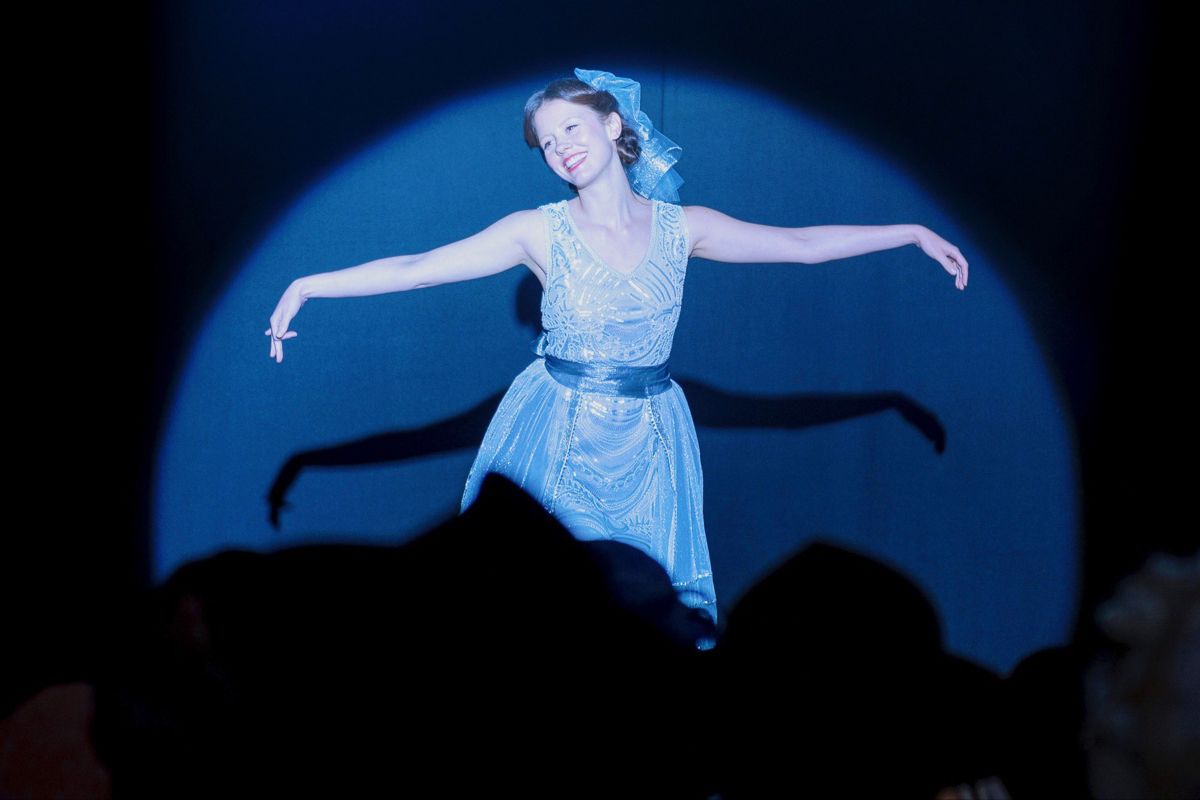
(Image Source: Pinterest)
When she is not terrifying, bloody and swinging around an axe, Pearl’s desperation to escape her abusive mother and unresponsive father is familiar.
I’m a failure. I’m not pretty or naturally pleasant, or friendly. I’m not smart, or funny, or confident. I’m exactly what Mama said I was, weak.
She craves love, attention, and validation. Her dreams of a better life are an escape from the one that tells her she is “weak.”
Life terrifies me. It’s harsh, and bleak, and draining.
Women relate to Pearl, not because she is insane, violent or murders people but because she is angry, frustrated, sad and insecure. Society’s contempt for her quirks deepens her already present loneliness. She hates her home life, despises her rural existence and yearns to become a dancer on a Hollywood stage. Her mother disapproves of her ambitions and thus her only company is the animals on the farm.
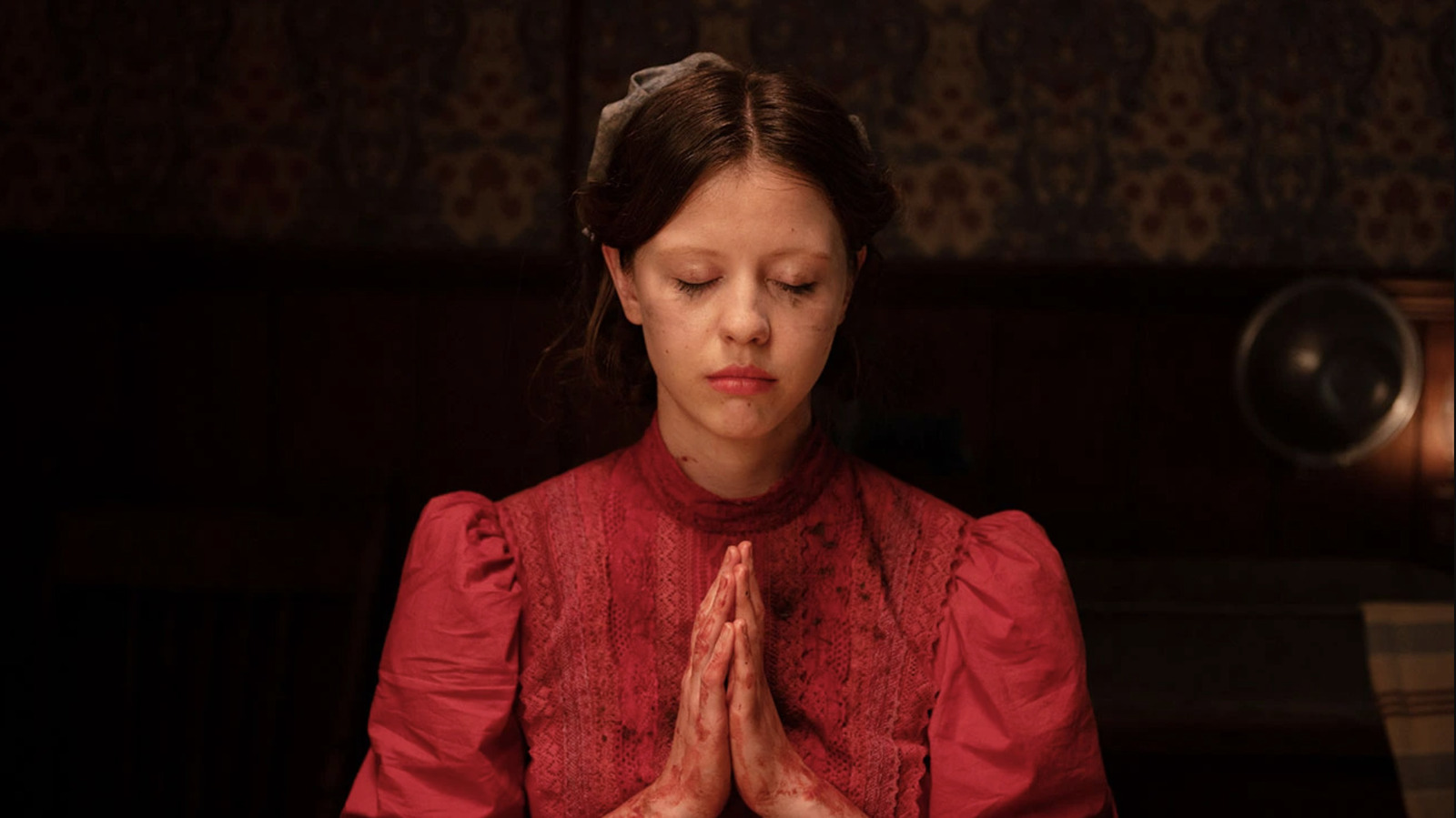
(Image Source: Slashfilm)
Underneath the horror and gore, women identify with Pearl.
With her out of reach dreams.
With a mother she cannot seem to please.
With her inability to fit in.
Mostly, however, women relate to her expression of these feelings. Pearl is a shadow of the female experience, and by expressing what is often repressed or punished in women, she gives these feelings a stage.
And she’s not the only fictional female character to do so.
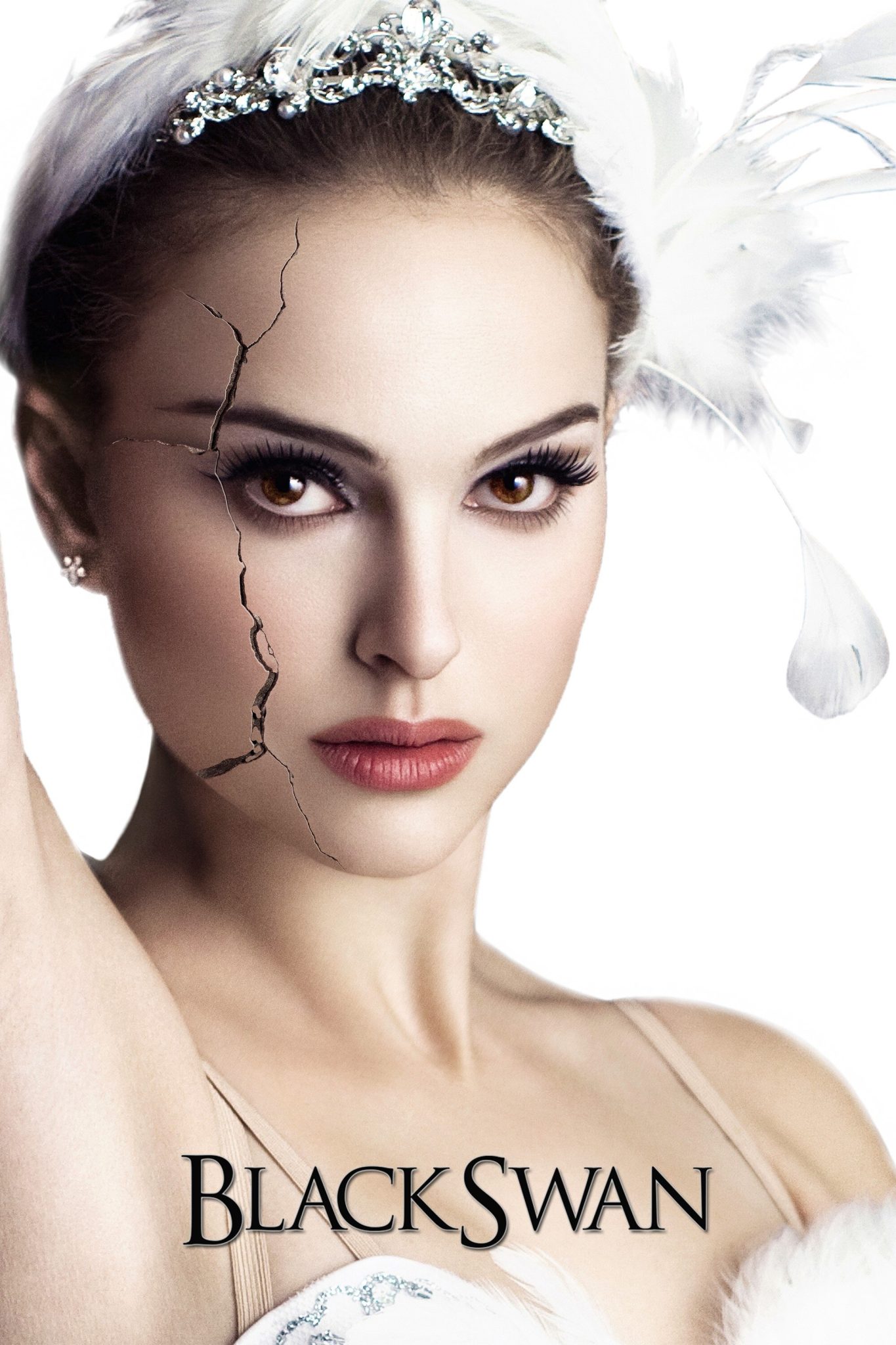
(Black Swan Darren Afronsky 2010)
Nina Sayers, the main Protagonist of Darren Afronsky’s beautifully tragic psychological horror film, Black Swan, is portrayed as a talented yet insecure young ballerina, whose subtle descent into madness reveals the psychological toll of perfectionism’s pursuit. However, the film is more than just a story of a baby ballerina whose pursuit of excellence within the merciless industry of professional ballet has driven her over the edge: it is a reflection of the psychological costs of being the “perfect woman.”
I just want to be perfect, says Nina.
What?
I want to be perfect.
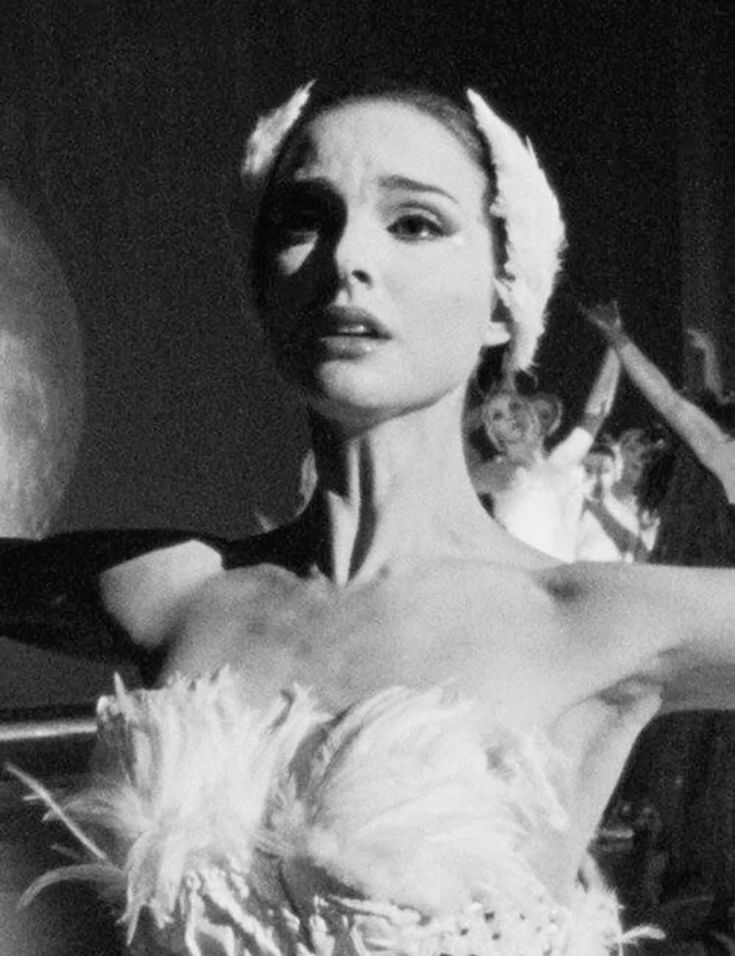
(Image Source: Pinterest)
From the start of the film, Nina’s quest for perfectionism is visible in her precise, disciplined movements. She practices obsessively, fixating on every turn, every pose, every leap until it is exact. This incessant need to ensure flawlessness is then reflected in the long hours she spends alone in the studio, rehearsing every move until it is perfectly right. When it is time to show the work born from these rigorous procedures, Nina looks to her director, Thomas, for constant approval and, when that is not given, advice on how she can be better.
Even then, though, it is not enough.
The truth is when I look at you all I see is the white swan. Yes you’re beautiful, fearful, and fragile. Ideal casting. But the black swan? It’s a hard fucking job to dance both.
I can dance the black swan, too.
Really? In four years every time you dance I see you obsessed with getting each and every move perfectly right but I never see you lose yourself. Ever! All that discipline for what? Perfection is not just about control. It’s all also about letting go.
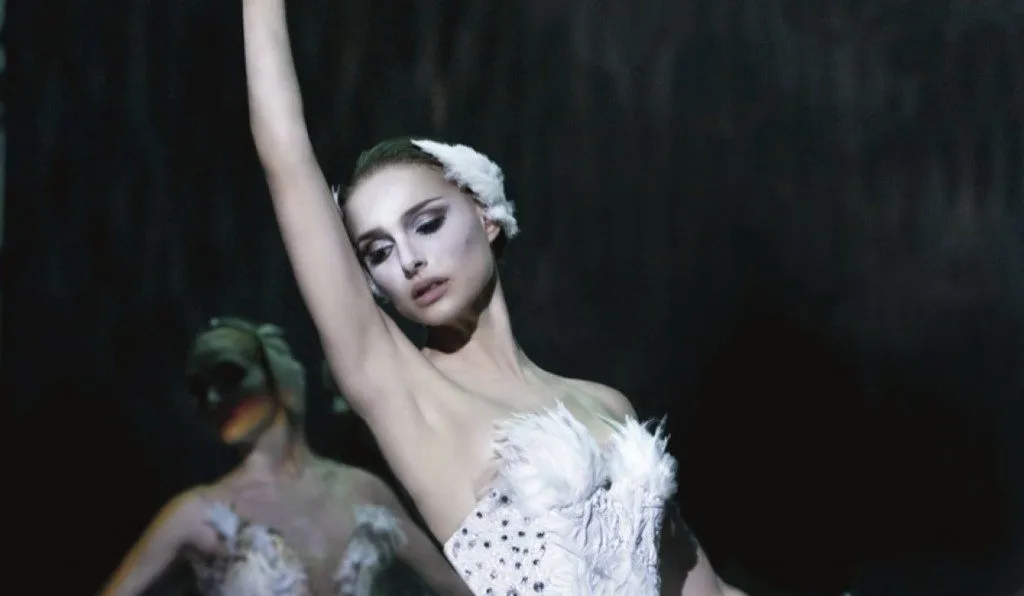
(Image Source: thecinemaholic)
To achieve the perfectionism Nina so desperately wants means sacrificing the ‘her’ that is prohibiting her from doing so. Perfectionism is a double-edged sword, as it demands absolute excellence but does so at the cost of identity. Nina’s quest to be perfect is a powerful commentary on the pressures women face to conform to unachievable standards.
The only person standing in your way is you.
Having already obtained the innocence of the white swan, she now must shed it and embrace her darker, more sensual side to be the black one.
While Nina is ultimately able to surrender herself to the black swan, pulling off a perfect performance, it comes at a cost — herself.
I was perfect.
It is easy to label Nina as an obsessed artist, and even easier to label her as psychologically deranged. We watch her obsession with ballet, her descent into madness because of it: feathers emerging from her back, fingernails peeling away, eyes turning red, legs bending unnaturally. Who wouldn’t view her as crazy?
But behind the horrifying image of a woman hallucinating her transformation into a swan is a girl who only wanted to put on a perfect performance and was pushed too far.
These scenes of body deterioration reflect Nina’s psychological deterioration under the crushing weight of expectation. She’s not crazy, she’s struggling.
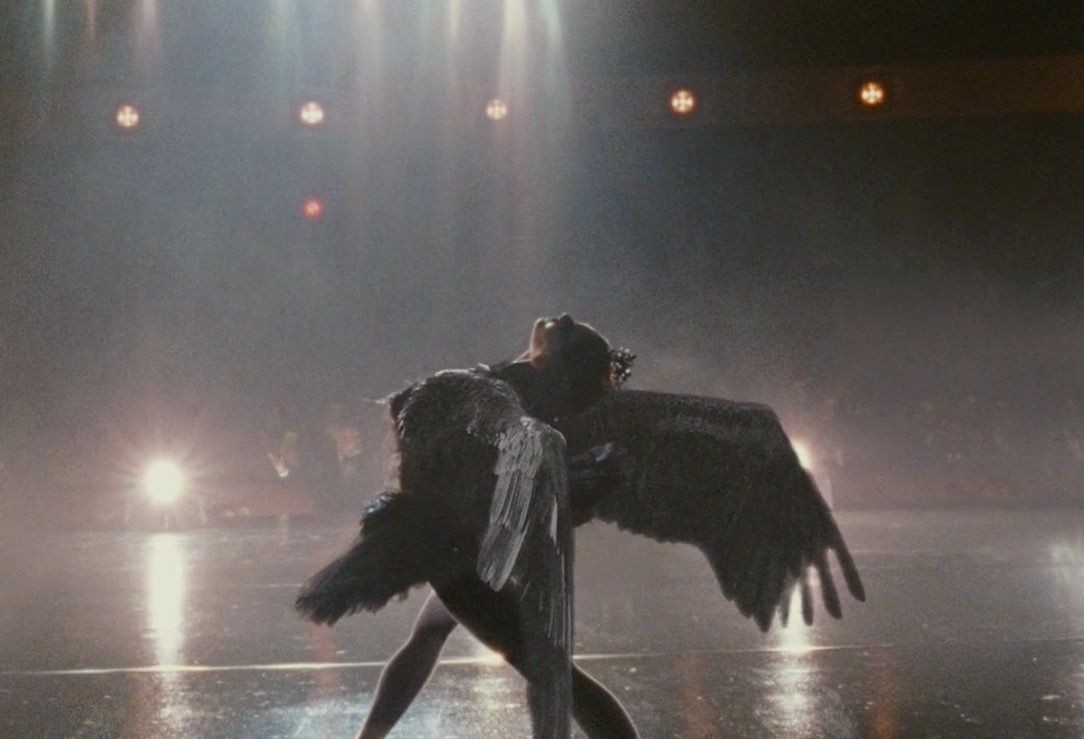
(Image Source: Screenrant)
Her final transformation into the black swan is a metaphor for her complete loss of self. She is covered in feathers, her eyes are animalistic, and her movements, while flawless, are inhuman. While she has surrendered herself to perfection and the darkness of the black swan, she has lost her entire sense of self in the process.
And at the end of her performance, while Nina revels in having been “perfect”, she lies bleeding from a self-inflicted stab wound. Nina’s obsession with being perfect warps her perception of reality, a direct consequence of the impossibly high standards she has internalised. While the crowd may cheer for the perfect performance, its executioner has destroyed herself mentally and physically.
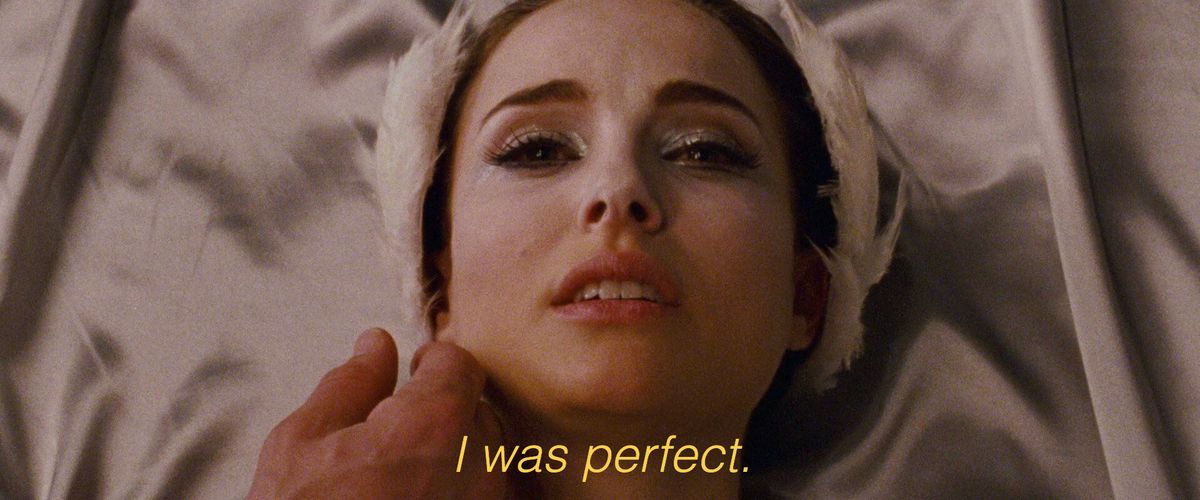
(Image Source: Pinterest)
When women see Nina, they don’t see a crazed ballerina but a girl whose struggles mirror their own: perfectionism, identity, external validation, ambition. Nina’s flawless execution of both the white and black swan also critiques larger societal expectations of women. Her role demands that she execute the contrasting personas perfectly, a portrayal that translates directly to the pressures placed upon women to balance two contradicting identities: purity and control with sensuality and surrender. It is just as impossible for Nina as it is for women to achieve perfectionism in two contradictory archetypes without destroying themselves.
Thus, Nina, like Pearl, becomes a stage for women to express what is most often repressed. This trope of the ‘unhinged women’ is a form of acknowledgment of a shared humanity, allowing women to connect with the complexities of female characters like Pearl and Nina.
What women are too often afraid to be, these ‘unhinged women’ are a manifestation of, and not in a digestible or tamed way either. These women are openly jealous, obsessive and engage in self-destructive behaviour.
So often we are used to seeing men in these roles: Heath Ledger’s Joker, Christian Bale’s Patrick Bateman or the classic Norman Bates. They experience rage, alienation, ambition or violent tendencies which are usually attributed as products of societal pressures, a symbol of rebellion or a critique of injustice. They are found relatable and worth analyzing. While these male characters are romanticized, female characters like Pearl and Nina are pathologized because they represent these traditionally ascribed traits that have been reserved for men.

(Image source: Pinterest)
The reality is, women can possess these same traits that have been socially ascribed for men. They can be just as cunning, angry, manipulative, obsessed and ambitious. They too desire money, fame, control and power.
Daenerys Targaryen from George R.R Martin’s book series A Song of Ice and Fire and the hit TV show series Game of Thrones is a prime example of this. Daenerys’ determination and commitment to justice are evident as she strives to reclaim the Iron Throne and take back control of the Seven Kingdoms.
However, Daenerys’ strive for power also comes with moral ambiguity. At times, Daenerys exhibits a ruthless, sometimes tyrannical streak when it comes to achieving her goals. She struggles to balance her desire for power with moral decision-making.
By embodying these traits, these female characters distance themselves from patriarchal expectations of passivity, subserviency and docility, while also addressing the wrongful gendering of these emotions as masculine rather than a shared human experience.
While these female characters have become women’s catharsis, there is also a danger in grouping them into diminutive categories that do not let them be anything other than murderous, crazy and obsessed. At the heart of a lot of these films is the case of mental illness, which many female characters that are idolised, or in other cases ostracised, experience.
Take Harley Quinn in James Gunn’s Suicide Squad. She is portrayed as having extreme, violent tendencies and making reckless decisions. This, paired with her colourful hair and quirky outfits, overshadows the fact that she is a deeply troubled individual with significant trauma.

(Image Source: The Digital Fix)
These women’s struggles are used as a prop to invoke terror and entertainment in audiences, perpetuating negative stereotypes surrounding mental illness and the people who experience it.
As a result of many of these female characters exhibiting threatening behaviours, mental illness becomes linked to violence and instability. Characters are portrayed as dangerous and unstable, making it impossible to separate mental illness from images of bloody axes and women turned into swans.
The truth is, these women are complex human beings with real emotional experiences, more than their labels inferred by audience members – deranged, violent and mad.
The term madness has long been associated with femininity, with roots tracing back to 300 BCE. However, what we understand today as the “mad” or “crazed” woman is actually linked to a long history of ancient theories and “medical diagnosis” surrounding the term hysteria. A term that, believe it or not, echoes throughout most of the female characters women enjoy on screen.
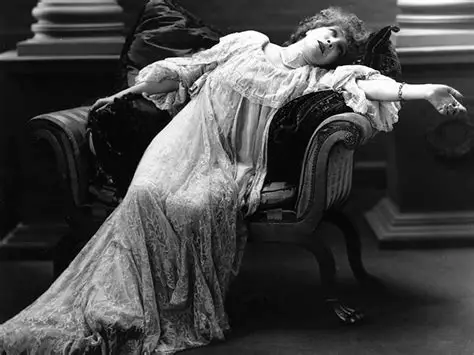
(Image Source: BBC History)
Originating in ancient Greece, the term hysteria comes from the Greek word ‘hystera’, meaning uterus. The Greeks viewed hysteria as an illness of the womb, arguing that the uterus could dislodge itself and move around the body, causing a variety of symptoms. It was believed that the uterus moved because it longed to bear children and because of this, unmarried women most commonly received this diagnosis. As a result of this gendered association of hysteria it became a term forever linked with womanhood.
By the 19th century, this theory of the ‘wandering womb’ had transformed into the idea that hysteria was tied to a woman’s reproductive organs. Popularised as a legitimate psychiatric disorder, Sigmund Freud saw hysteria as a form of psychic conflict, that of women’s repressed emotions.
Hysteria eventually became a way to pathologize women’s emotions and independence. It was less about their health and best interests, but instead a form of control. Women who were overly emotional, sexually assertive, rebellious or even intellectual could be diagnosed with hysteria. This reinforced the idea that women were naturally unstable, irrational and governed not by their minds but their bodies.
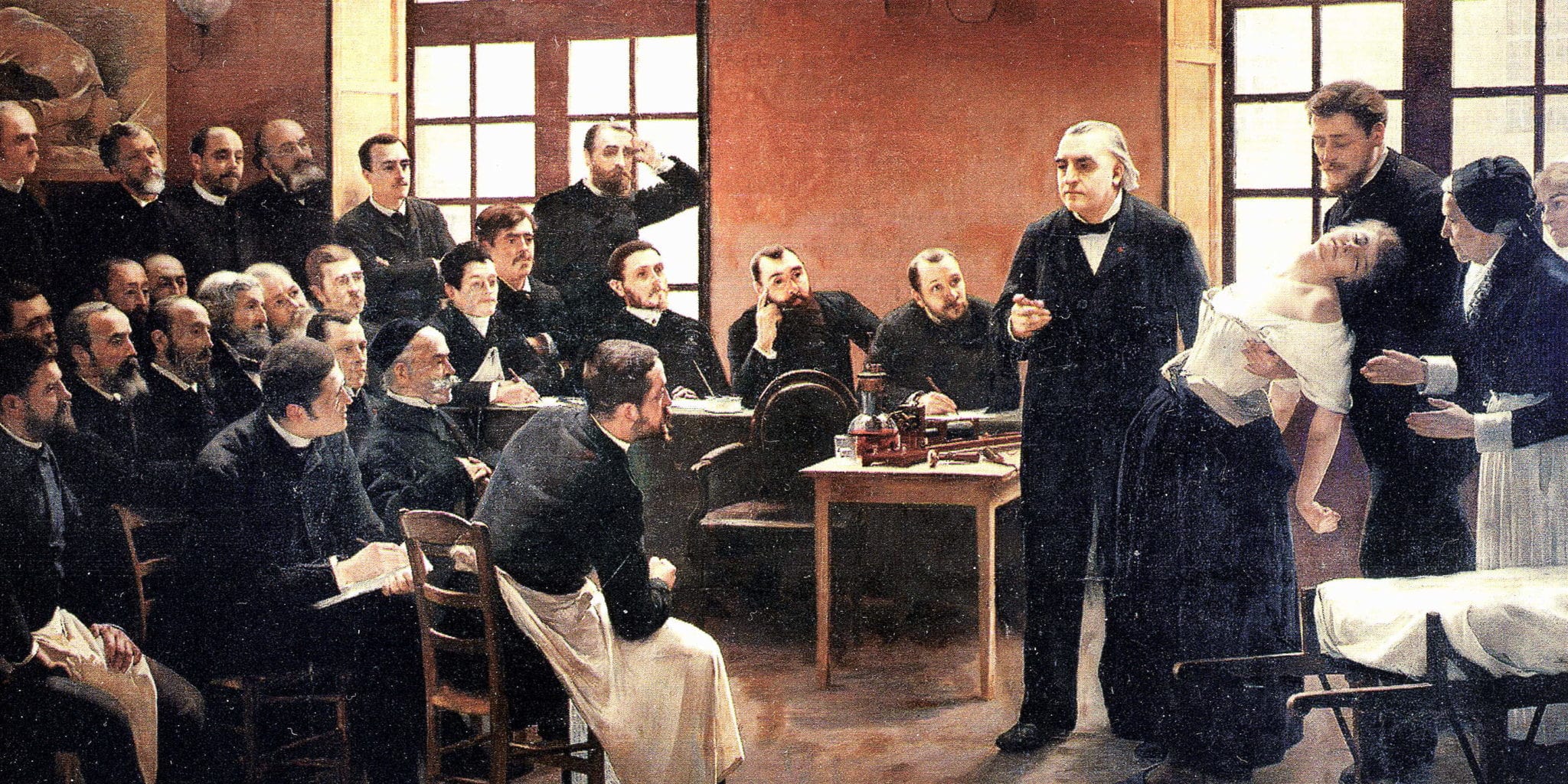
(Image Source: Historic UK)
This concept soon evolved into the ‘mad women’ trope, stemming all the way back to Victorian Era literature, through the female protagonists of Charlotte Perkins Gillman’s The Yellow Wallpaper and Charlotte Bronte’s Jane Eyre, re-emerging centuries later in film figures like Pearl and Nina.
It is easy to see now how the term “mad” or “crazy” can become a punishment for women given its history, as it was used to isolate and humiliate them for acting in ways that are socially unacceptable.
Pearl and Black Swan are more than just stories about women driven to the edge of madness. For women, they are a manifestation of everything they have been taught to suppress and be ashamed of: desire, ambition, anger, frustration and sadness. Pearl and Nina indulge in these feelings freely while women are allowed to vicariously live through them without penalty. They provide ways of thinking and feeling that, while not foreign to women, are new modes of comfortably being that they are unfamiliar with. To see Pearl act in both anger and sadness, or Nina be consumed by ambition and the pusuit of perfectionism, serves as validation for the experiences of women across centuries.