Imagine you are getting ready for your first day at a new job and are pre-planning your outfit. You’ve tried on a dozen shirt, shoes and pant combinations. The green cardigan might bring out the colour of your eyes, but your blue button-down top might make you feel put together. You really want to make a great first impression and ensure everything goes smoothly that day.
The clothes we wear play an important role in how we and others perceive us. Nevertheless, the textiles we wear can affect our health and quality of life physiologically. Wearing toxic fabrics can aggravate skin irritations, dermatitis symptoms and increase the risk of cancer and hormone disruption.
The fabric quality we wear can positively or negatively influence our skin comfort, temperature regulation and chemical exposure. Natural fibers reduce irritation and allow your skin to breathe. In contrast, many synthetics trap heat and may leach endocrine-disrupting chemicals.
In the long run, textile quality is a key factor in long-term well-being as the choices we make in our everyday clothing blend physiological, financial and environmental variables in ways that can benefit or interfere with one’s quality of life.
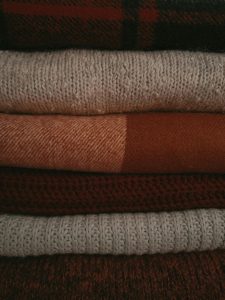
Natural, high-frequency fibers support balanced energy and overall well-being. (Image Source: Pexels)
Natural Versus Synthetic Fabrics on Health
According to a 2002 study, clothing material choice influences our comfort and exercise performance through our thermoregulatory responses. It is known that natural fibers such as linen, cotton, wool and silk have better health outcomes for sensitive skin conditions, like eczema. This is because of the reduced irritation risk attributed to less moisture and heat trapped. Wool is a highly absorptive material that encourages microclimate maintenance to decrease skin irritation. It also promotes temperature regulation and moisture control in humid environments.
In contrast, synthetic fibers such as nylon, spandex and polyester negatively influence the onset of textile contact dermatitis, rashes, redness or scaling. Polyester, in particular, leads to an increased onset of sweating, higher body temperature and discomfort in warmer environments. Fortunately, bi-directional thermoregulating fabric innovations were developed to sustain heat stress, moisture retention and stabilize microclimates to promote increased skin health long-term.

Natural fibers support skin health and cut chemical exposure. (Image Source: Pexels)
Skin sensitivity can increase when it comes into contact with toxic additives in clothing, such as formaldehyde resins (used for wrinkle resistance), azo dyes, natural-based compounds and flame-retardant finishes. A 2021 study found that both atopic and contact dermatitis symptoms tend to worsen with contact to toxic additives, whereas natural fibers tend to be eczema-friendly. Bodily exposure to toxic textiles and additives tends to correlate with negative health outcomes, such as disruptions to the endocrine systems and increased cancer risk.
Since the 1950s, per- and polyfluoroalkyl substances (PFAS) have been used in clothing for water and stain-resistant properties. PFAS are linked to developmental delays, reduced fertility, kidney and testicular cancer and liver damage. Furthermore, nitrosamine (NDMA) is also a known carcinogen, with exposure leading to an increased risk of multiple cancers such as prostate, stomach, liver and blood-related cancers.
The environmental impact of fast fashion doesn’t just end with pollution—it directly contributes to the health of the workers behind the industry. While air pollution affects surrounding communities, it hits factory workers the hardest. The long-term exposure to hazardous dust and chemicals has led to a public health crisis that is often overlooked. One of the more severe outcomes of this exposure is pneumoconiosis, a deadly occupational lung disease that is increasingly common among China’s labor force.
Pneumoconiosis is a lung disease caused by breathing in certain kinds of dust particles, such as coal dust, asbestos and synthetic fibers. China has the most severe pneumoconiosis issue in the world. It has the most workers exposed to dust pollution, the largest number of annual new cases of pneumoconiosis and the most patients with the illness. In some individuals the illness may cause no symptoms, but in some people it may cause coughing and shortness of breath. In the most severe variant, patients need long-term mechanical ventilation or it can lead to death.
Original Textiles
Linen is one of the world’s oldest textiles; flax fibers in particular date back approximately 30,000 years. In Ancient Egypt and Mesopotamia circa early 6000 BC, people developed linen industries using flax for clothing and mummification. The oldest garment made of linen was a Tarkhan dress (c. 3482-3102 BC).
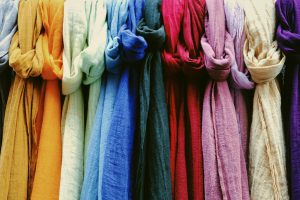
Vibrant linen fabrics showcasing versatility. (Image Source: Pexels)
Hemp started being used 10,000 years ago to fortify pottery. By 4000 BC, hemp was adapted in China and Turkestan to be woven into textiles. In colonial America, hemp was considered a crucial crop. In the Middle East, early societies were wool-making over 6,000 years ago. Between 3000 and 1000 BC, Persians, Greeks and Romans refined sheep breeds and wool distribution throughout Europe. Nomadic groups such as Mongols made felt from wool for clothing, blankets and yurts.
The Industrial Revolution’s Influence on Textile Qualities
After the Second World War, there was a major shift in the manufacturing of clothing. These eco fabrics were switched to cheaper, synthetic materials, such as spandex, acrylic, nylon and polyester, to cut down on production costs and enable mass manufacturing. However, throughout the Industrial Revolution, which took place in the late 1700s-1800s, textile machinery was introduced to mass clothing production, but clothing was still made from natural fibers. It is crucial for the human body, particularly the endocrine system, to limit its exposure to toxic textiles. Such a precaution is necessary since these endocrine-disrupting chemicals can potentially harm the body’s hormonal function, which regulates fertility, growth and reproduction. The skin barrier can be disrupted by heat rashes, microplastics, bacteria and irritation from tight fabrics.

From Hand-Sewn Garments to Machine-Made Fashion. (Image Source: Pexels)
DuPont’s Turning Point in the Clothing Manufacturing Industry
Toxic chemicals found in clothing include benzothiazole, phthalates, formaldehyde, PFAS, azo dyes and bisphenol A. DuPont was founded in 1802 by French American chemist Éleuthère Irénée du Pont. It was originally founded as a gunpowder factory and went on to become one of the most influential chemical companies in history. The company not only pioneered modern industrial chemistry but also transformed the fashion industry by introducing synthetic materials. Between 1935 and 1958, DuPont developed nylon, polyester, acrylic and spandex (Lycra), which became widely used in clothing.
Working with chemist Wallace Carothers, DuPont created nylon for women’s stockings, or nylons, but also to be used in parachutes and toothbrushes. Polyester was later developed as a wrinkle-resistant, durable and fast-drying fabric. Acrylic was made to substitute organic wool as a cost-effective and hypoallergenic material. Spandex was used to create stretch in clothing such as swimwear, leggings and undergarments. Arguably, DuPont’s contributions are controversial. Synthetic clothing materials are mass-produced, harmful to health and leave long-lasting environmental footprints such as toxic chemical exposure and biohazardous waste.
A Note on Price as a Determinant of Clothing Purchase
Many steer towards fast fashion in delight of the cheap prices and consider slow fashion a luxury; however, in the long term, the cost-per-wear shows that investing money upfront in a clothing item leads to reduced lifetime clothing expenses, as these clothing pieces obtain longer longevity per life cycle. Before the Industrial Revolution, women and craftspeople made clothing in villages and households. Homemade or locally made clothing allowed families to weave and sew their own clothing, and there was a lot of clothing being passed down, mended and reused as rags. Wealthier families had the option to hire tailors and to buy clothing from their local markets. With the rise of trading routes and adaptations of connected cities, it became convenient to purchase garments instead. In the Industrial Revolution, the middle class was created as clothing became more accessible and cheaper, allowing people to buy more items at the downside of durability loss. The switch from natural fabrics to synthetics lowered production costs and increased profit for large corporations.
A Common Blind Eye to Environmental Degradation
Many fast fashion consumers may be unaware that environmental consequences are deeply felt in surrounding communities. With the growth of online purchases and the general popularity of fast fashion, there is a quiet luxury enjoyed by many who have never seen the factories where their clothes are made. There is toxic chemical runoff that stems from dyeing processes and airborne emissions that clothing manufacturing factories create, which lead to contaminated ecosystems, thus putting immediate populations at risk. For instance, the air and water quality in Bangladesh and China are increasingly polluted by textile production.
Since the 1980s, Bangladesh has been a major hub for garment manufacturing for global brands, housing currently over 4600 manufacturing factories. Bangladesh’s clothing industry is responsible for about 80% of exports and is ranked the second largest global exporter, after China. Despite the significant economic importance, the environmental costs are severe.
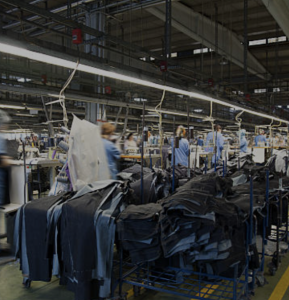
Mass garment production. (Image Source: Pexels)
Damage in Bangladesh
Rivers that once sustained everyday life are now consumed by water pollution from nearby textile and clothing factories. For instance, the Buriganga River was once a vital resource for the people of Dhaka for drinking water, fishing, irrigation and trade.
A 2021 study showed that hundreds of textile factories dump untreated wastewater directly into waterways. By releasing a mix of harsh chemicals, including azo dyes and arsenic, heavy metal contamination was found in collected water and fish samples.

Textile runoff threatens water and community health. (Image Source: Pexels)
Contaminated water increases the risk of waterborne illnesses and contributes to long-term ecological damage that is challenging to reverse. Bangladesh’s contribution to global carbon emissions may be minimal, but their garment sector is responsible for a large portion of these emissions. The production processes are very energy-heavy, fueled primarily by coal and natural gas, worsening the carbon footprint overall.
Azo dyes, in particular, account for 60-70% of all dyes used in the industry, as they are cost-effective and popular for their bold colours. The dyeing process is energy-heavy and often leaves behind toxic chemicals. Considering that azo dyes are not necessarily stable or thoroughly bonded to the fabric, this may result in leaching of aromatic amines during wear, washing, or disposal. These amines are toxic and potentially harmful to health. When these dyes are not properly treated, the surrounding rivers and ecosystems that communities rely on are polluted.
In 2002, scientists discovered that almost half of Bangladesh has drinking-well water with arsenic concentrations that exceed the 10 micrograms per liter guideline from the World Health Organization. Chronic arsenic poisoning can cause lesions on the palms and soles and potentially cancer of the skin, liver, lungs and bladder.
Environmental Impacts on China
China, the world’s largest garment exporter, manufactures 65% of the world’s clothing at a significant environmental cost. With much of the economy still powered by coal, most textile factories burn the dirtiest fossil fuels available to meet production demands. China’s dependence on inexpensive coal for energy regulations makes the textile sector heavily reliant on fossil fuels to satisfy global fast-fashion demand.
The burning of coal to power the clothing factories emits greenhouse gases. According to the National Resource Defense Council, Chinese textile factories produce three billion tons of soot each year as coal is burned to keep these factories running. In response, some local governments in China have started pressuring manufacturers to minimize emissions.
The dyeing and finishing stages of textile production release a mix of chemicals into the atmosphere. Factories that produce synthetic fabrics like polyester release greenhouse gases during extraction and manufacturing. When these clothes are eventually burned or thrown away, carbon dioxide is emitted.
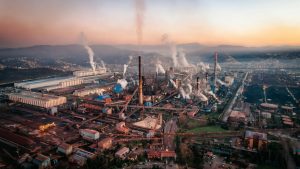
The environmental footprint of clothing manufacturing, including factory emissions and greenhouse gases. (Image Source: Pexels)
The environmental footprint of fast fashion doesn’t end at the factory. After production, garments often travel and are distributed across the world before reaching store shelves. This next stage, global shipping, adds another layer of pollution that contributes heavily to the industry’s environmental impact.
Cargo ships mainly rely on fossil fuels to generate electricity and power their engines. Greenhouse gases, such as carbon dioxide, methane, sulfur oxides and nitrogen oxides, are emitted through cargo transportation. A 2023 study showed that air pollutants emitted from ships have a major impact on atmospheric chemistry, ocean biochemistry and even cloud formation.
Air pollution from ships is generated by diesel engines that burn high sulfur content fuel oil, producing sulfur dioxide, nitrogen oxides, carbon dioxide and many other harmful chemicals. Diesel exhaust has been classified as a likely human carcinogen by the Environmental Protection Agency (EPA). The EPA recognizes that these emissions from marine diesel engines contribute to ozone and carbon monoxide depletion.

Fashion’s carbon footprint. (Image Source: Pexels)
These pollutants alter the chemistry of both the atmosphere and the oceans. Nitrogen oxides emitted from shipping can transform into nitrous acid and nitryl chloride. The production of hydroxyl amplifies and leads to elevated ozone levels. From factory smoke to diesel fumes at sea, the fast fashion supply chain leaves a trail of pollution long before a single item ends up in a shopping bag.
The Reality of Textile Disposal
Even when clothes are produced more sustainably, there is another largely overlooked issue that remains: what happens to items that never stay in customers’ closets? When clothing is returned or unsold, disposal in landfills is often the cheapest option.
The rise of fast fashion has been a significant driver of increased textile waste. Clothing purchases globally have increased by 60% between 2000 and 2014. Considering the quicker turnover of trends and online shopping, consumers are buying more clothes but discarding them at an alarming rate.

Discarded textiles are piling up as long-lasting waste. (Image Source: Pexels)
A 2023 study revealed that Canadians dispose of nearly 500 million kilograms of fabric each year. Unfortunately, approximately 85% of these textiles end up in landfills, meaning that each Canadian annually disposes of nearly 37 kilograms of clothing. Textiles decompose slowly in landfills, as the synthetic fibers take hundreds of years to break down. As materials decompose, greenhouse gases are released, harming the atmosphere. Even natural and biodegradable fibers contribute to methane emissions during their decomposition process.

Repairing, mending and extending a garment’s life cycle to reduce textile waste. (Image Source: Pexels)
Advancements in Dyeing Technology
Manufacturers can replace these harmful chemicals, like azo dyes, with more sustainable alternatives like azo-free dyes. Azo-free dyes are not made up of nitrogen-based compounds; therefore they do not release carcinogenic substances. Azo-free dyes tend to be manufactured with less toxic chemicals, reducing their impact on both human health and the planet. Azo dyes may affect freshwater sources and create toxic buildup that threatens wildlife and local communities. The dyeing process requires large quantities of water, contributing to resource depletion. The dyeing process for Azo-free textiles uses less water, reducing pollution.

Select crafted garments for long-term wear. (Image Source: Pexels)
Sustainable Alternatives
We’ve seen how fast fashion harms both people and the planet — but solutions do exist. From rethinking the way clothes are produced to changing how unsold or returned items are handled, there are practical steps the industry can take to reduce its footprint and protect communities. Manufacturers have a major influence on minimizing the risks associated with harmful chemicals. Their efforts directly affect the safety of products and environmental sustainability. Sustainable textile dyeing methods are revolutionizing the industry and can significantly reduce our environmental impact while maintaining quality.