This piece is a collaboration between INKspire and Street Voices, centering Regent Park Film Festival films through opinion-led commentary and reviews.
Street Voices is a Black-led non-profit organization established in 2014 with the mission of empowering street-involved and at-risk Black youth. Initially launched as a magazine, Street Voices has broadened over the past six years into a comprehensive digital media platform, featuring journalistic articles, podcasts, and visual content.
As an avid film watcher I have always found myself resting between one of two places at a film’s end: appreciating the length of the film or wishing it had been longer. More often than not it is the latter. When I find a film that I like, especially when I come to the realization that I love it in the middle of consumption, I become fixated on the fact that I never want it to end. However, this process is inevitable and when the screen turns black and the credits roll, I sit in silence wishing the film had been longer.
For me, lengthy films have always been about a lot and about more. Excess is consuming. It draws you in. The longer you spend in a film’s world the more you become a part of it. And this leaves you wanting more. More characters, more backstory, more moments. This excess, this demand for extra has blinded me to the art and beauty of the short film.
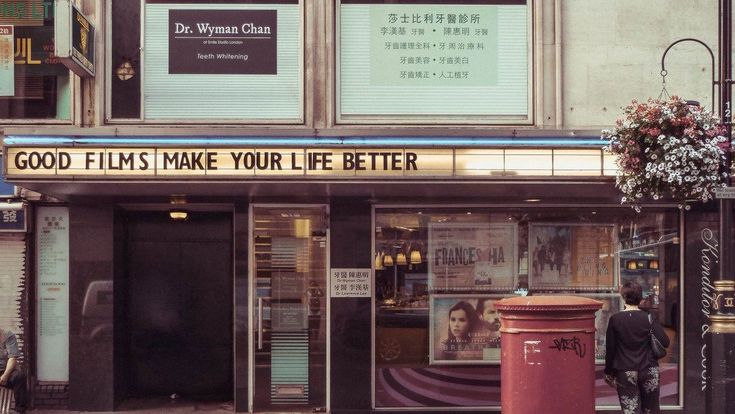
Image Source: Pinterest
This year, I had the opportunity to attend Regent Park’s Film Festival and write this piece on a screening of my choice. I chose Shorts: Between Rituals and Returns. This piece consisted of 8 short films, each ranging between 5-23 minutes in length.
While each of these films tells a different story, they all intersect at one point: their ability to say something meaningful in such a short time.
Is It War? by Timeea Mohamed Ahmed is one of the shortest films in the collection, but do not be deterred by its minimal running time; the film is sure to reach audiences with unexpected intensity. A five minute short film, Is It War? captures the emotional and psychological weight beared by those affected by Sudan’s ongoing conflict while living in diaspora. The film shifts away from traditional narrative storytelling to adopt a more free and experimental approach, centering on an artist dressed in Sudanese cultural clothing who moves through a forest in a series of dizzying, dream-like scenes. These scenes become a representation of the disorientation, fragmentation, and internal conflict that war and displacement impinge upon the minds of people who are physically distant from the conflict but remain deeply connected to it.
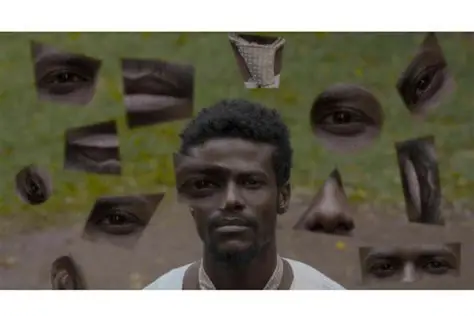
Image Source: Is It War? Film
Will we ever live to return?
Or will we die refugees?
Through its non-linear narrative structure and emphasis on visual symbols, the film expresses the sense of fragmented identity and trauma experienced by those struggling to confront the loss and destruction taking place in their homeland. Is It War? is more than just a meditation on war itself, it is a reflection of its emotional and psychological toll on the people affected by it while simultaneously remaining distant to it. The film emphasises how conflict leaves residue, reflected in the memory and subconscious of those who carry Sudan with them even when they are forced to live far away. In the end, the scar still remains even when the wound heals.
I have always experienced a kind of aversion to short films despite never really having experienced one in its fullness. Their lack of length almost made me afraid. I don’t think I had ever thought these films were bad but I think I feared experiencing their beauty and greatness, becoming attached, and having my time cut too short. I feared wanting more and not getting enough.
However, Is It War? and the remaining films from Between Rituals and Returns has given me a new perspective on short films, a new willingness to try. Their shortness asks us to do something. To fill in blanks. To let our minds wander. To create meaning and connection long after the film ends. Often little is more and I think we ought to appreciate that.