The ongoing genocide in Palestine, sustained through decades of occupation and blockade, has culminated in an unprecedented humanitarian catastrophe. The roots of this crisis trace back to 1948, when the creation of the State of Israel displaced over 700,000 Palestinians from their homes — an event known as the Nakba. Today, that violence has reached an unprecedented scale. Since October 2023, intensified attacks across the Gaza Strip and the West Bank have led to mass civilian casualties, forced displacement, starvation, and the destruction of essential infrastructure. In Gaza alone, more than 54,000 Palestinians have been killed by Israeli forces.
This destruction extends beyond the loss of lives and homes to a systematic assault on Palestinian knowledge production. As of mid-2025, all twelve universities in Gaza have been destroyed, eliminating higher education from the territory. At the same time, international media access to Gaza remains prohibited with Palestinian journalists deliberately targeted. As of June 2025, 221 have been killed, 430 injured, and 48 detained. These assaults shed light on a larger cultural and political erasure, targeting not only the institutions where knowledge is produced but also the individuals through whom it is documented and disseminated.
Under such conditions, social media has become a vital tool for Palestinians and their allies to document human rights violations, amplify suppressed histories, and forge solidarity. Instagram, in particular, has played a prominent role due to its emphasis on visual communication and expansive reach. However, this same platform that helps spread global awareness has also become a site of systematic suppression.
Instagram’s Community Standards, while publicly committed to fostering freedom of expression and aligning with international human rights standards, has disproportionately silenced pro-Palestinian voices. A 2024 report, by the Arab Center for Social Media Advancement, documents widespread censorship experienced by Palestinian influencers, journalists, and media outlets. Many of these content creators and media figures experienced patterns of content deletion, shadow banning, account suspensions, and significant reductions in audience reach. Journalists reported being banned from using basic functionalities such as live streaming and content collaborations, whereas media outlets faced significant drops in engagement following coverage of relevant content. Many journalists also reported facing censorship of historical posts, including those documenting earlier periods of Palestinian resistance. These practices extend beyond political commentary as they censor cultural expressions and humanitarian campaigns.
Further corroboration is provided by a 2025 investigation based on leaked internal Meta data, which revealed that Meta complied with 94% of Israel’s content takedown requests since October 2023, resulting in the removal, ban, or suppression of approximately 38.8 million posts across Facebook and Instagram. Notably, many of the censored posts originated from users outside of Israel, indicating the expansive, transnational reach of the platform’s censorship regime. As such, the consistency between user testimonies and internal data underscores the scale and deliberateness of the suppression Palestinians face online. By targeting political, cultural, and humanitarian content, this censorship extends the erasure of Palestinian stories and perspectives online, replicating the systems of dispossession Palestinians face in the physical world.
Source: Mehmet Turgut Kirkgoz / Pexels
In response to this censorship and algorithmic suppression, Palestinians and their allies have developed adaptive strategies to maintain visibility and narrative agency. Rather than retreating from digital spaces, they have reimagined how to use social media to further their fight and stance.
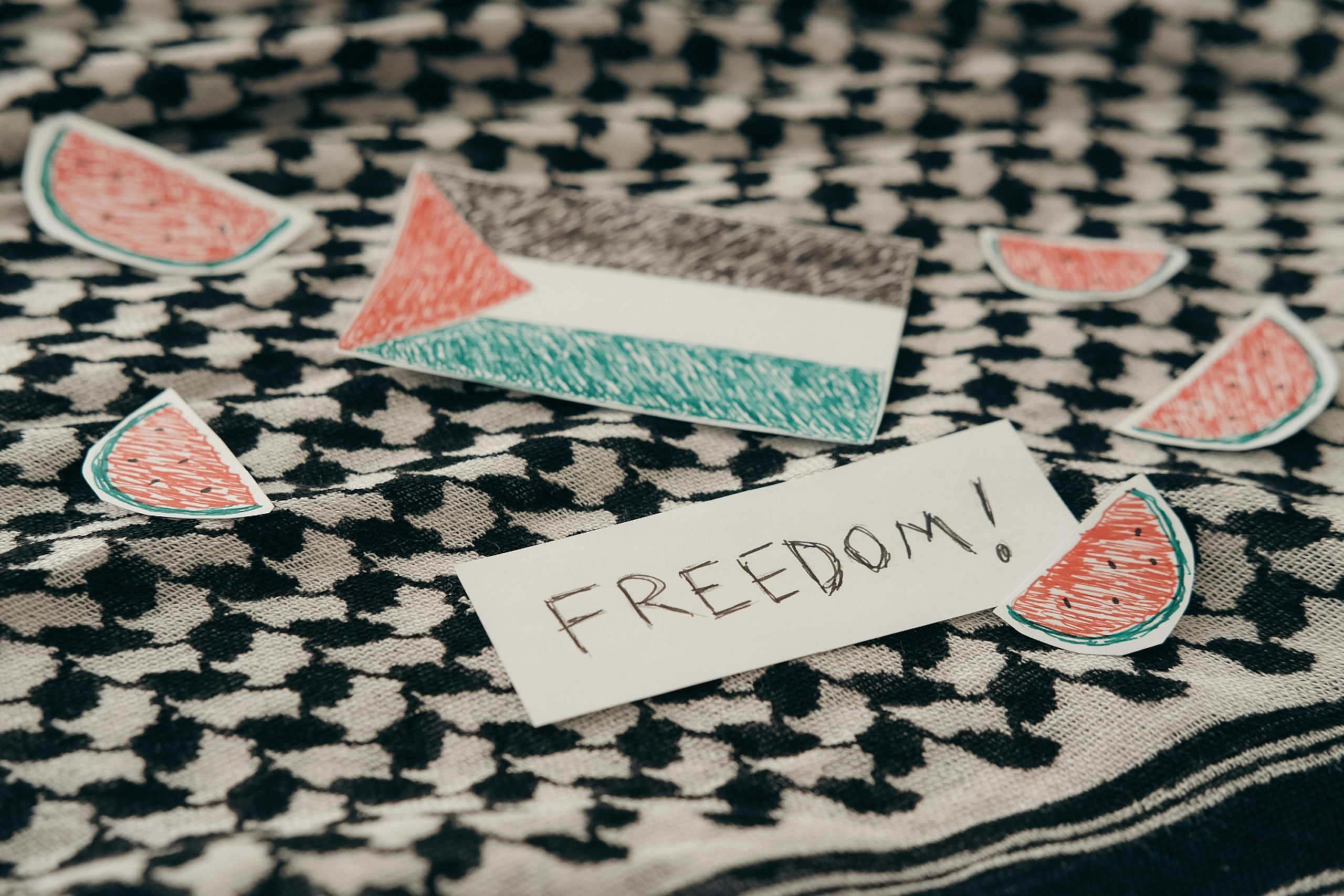
One of the ways many Palestinian journalists, content creators, and allies have taken back their digital space is through the use of the watermelon emoji. The watermelon emoji is symbolic as its colour palette red, white, black and green echoes the Palestinian flag and fosters visual resistance. In 1980, an Israeli military order shut down a gallery exhibition in Ramallah simply for featuring works in those flag colors, with artists explicitly warned against using watermelon imagery due to its visual resemblance. As Instagram’s automated moderation increasingly targets explicit symbols and terminology associated with Palestinian identity and resistance, users have adopted the watermelon emoji as a covert substitute for more direct expressions or simply, as a form of algospeak. The emoji, embedded in post captions, profile bios and visual overlays, enables users to signal solidarity while avoiding algorithmic detection. The watermelon emoji thus operates not merely as an aesthetic embellishment but as a deliberate tactic — preserving the visibility of Palestinian identity within a system structured to erase it.
Moreover, platform moderation systems are heavily reliant on keyword detection, often targeting specific politically charged terms associated with Palestine, leading to the removal or suppression of posts. In response, users strategically avoid the use of specific words to avoid automated detection. Common substitutions include rendering “Israel” as Isr@el, Isr*el, or Is**rl, and “Palestine” as P@lestine or Palest!ne. Similarly, slogans such as “Free Gaza” are reformulated as Fr33 Gaza, replacing letters with visually similar numerals or symbols. These altered spellings appear across captions, hashtags, usernames, and embedded text, enabling posts to bypass keyword filters while remaining intelligible to human readers. This strategy resists the platform’s attempt to control how Palestinian narratives are articulated and circulated. By modifying spellings, users disrupt keyword-based censorship and weaken automated moderation systems aimed at restricting Palestinian expression.
Source: Mayara Klingner / Pexels
Archival resistance on Instagram — the practice of collectively preserving and recirculating censored content — has emerged as a necessary response to systematic censorship and content removal targeting Palestinian narratives. Rather than relying on any one post or account for preservation, users adopt distributed documentation strategies to delay and complicate erasure.
An example is @eye.on.palestine, an account that curates and republishes visual documentation gathered from Palestinian journalists, photographers, and civilians. By bringing together scattered documentation, it counters censorship and ensures that reports of attacks, displacements, and casualties remain accessible to a wider, global audience. Through reposting, accounts like this create a second layer of circulation that persists even when original posts are deleted or accounts are suspended, complicating efforts to erase Palestinian experiences from the digital space.
Parallel to this visual documentation, accounts such as @letstalkpalestine have expanded archival resistance into new forms of distribution through Instagram’s Broadcast Channels. These channels, structured for one-way communication, allow creators to bypass the platform’s public feed algorithm and send textual updates — including daily casualty figures, reports on bombings, humanitarian blockades, and displacements — directly to subscribers. Unlike regular public posts, broadcast messages are less likely to be hidden by the algorithm or removed due to mass reporting, making them a more reliable way to distribute urgent updates and maintain ongoing documentation. In a context where visibility is precarious, these channels provide a semi-protected space for systematic record-keeping and timely information sharing.
By refusing to allow the complete disappearance of Palestinian narratives, these practices transform Instagram into a site of historical witnessing, asserting presence against the forces of algorithmic erasure.
Source: Klaudia P. / Pexels Sources
Complementing strategies of subversion and archival resistance, Palestinian creators have expanded their digital presence through cultural production, shifting from reactive visibility during moments of crisis to proactive representation rooted in history, identity, and everyday life. This branch of digital rebirth resists reductionist portrayals by centering life, creativity, and memories that withstand violence and erasure.
On Instagram, creative expression manifests across a range of practices that foreground Palestinian resilience through traditional practices and shared cultural memories, while also engaging with the ongoing realities of occupation, violence, and displacement. Accounts such as @linasthobe introduce audiences to two central elements of Palestinian material culture: the thobe, a traditional hand-stitched dress worn by Palestinian women, and Tatreez, the embroidery technique that adorns these garments. Historically, thobes served as markers of personal and communal identity, with patterns and colours signifying familial lineage and regional origin. Tatreez, developed over centuries, encodes collective memory through symbolic motifs, functioning not only as an aesthetic expression but as a form of storytelling and historical record. In the context of ongoing occupation and displacement, these cultural practices have assumed heightened political significance, asserting Palestinian presence and continuity against systematic efforts at erasure. Through visual documentation and detailed narration, these types of social media accounts reposit important pieces of Palestinian culture as living archives of Palestinian identity, linking historical tradition to contemporary resistance and raising awareness about the broader struggle for cultural survival.
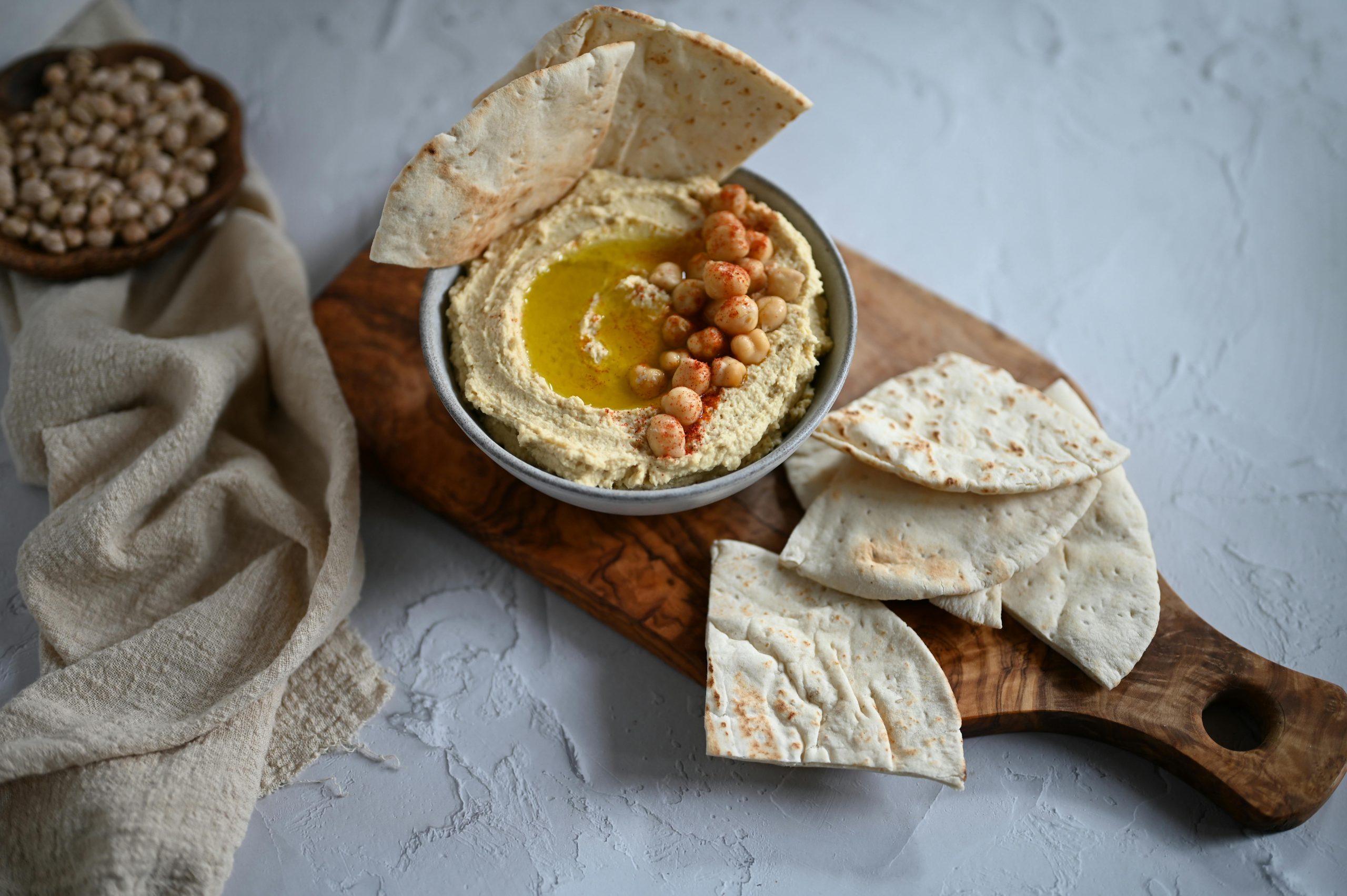
Similarly, culinary accounts like @fufuinthekitchen contribute by documenting and sharing traditional Palestinian foodways, preserving not only recipes but also the stories of how they were passed down through generations, and their ties to specific regions, crops, and farming traditions. Dishes such as musakhan, maqluba, and qatayef are not treated as relics of traditions, but as cultural practices rooted in land and collective memory. In the context of occupation, where agriculture is targeted and food security weaponized, maintaining and sharing culinary traditions becomes a form of political resistance.
Other social media accounts, such as @thirdnarrative, curate oral histories and political commentary to challenge dominant representations of Palestinian life and history. Through personal testimonies and critical reflections, the account reclaims the right of Palestinians to author their own histories. Rather than documenting the past as static memory, these types of accounts on social media mobilize historical knowledge, linking cultural memory to ongoing struggles for recognition and justice.
By showcasing and highlighting different parts of Palestinian culture, history, and political resistance, creators disrupt dominant portrayals and extend Palestinian visibility beyond the cycles of violence that typically dominate media attention.
The strategies developed by pro-Palestinian creators on Instagram demonstrate that digital platforms, despite their structures of surveillance and suppression, can be transformed into sites of resistance. By innovating new methods of communication, creators resist the erasure of Palestinian narratives and the political structures that seek to silence them across digital and physical spaces. Their practices do not merely adapt to censorship; rather, they confront it by sustaining historical continuity and political identity through alternative modes of expression. Digital rebirth becomes more than a tactic for survival — it emerges as a political project of presence, visibility, and future-making. Through adaptive strategies of resistance, users carve out spaces where identity is reimagined and reaffirmed, ensuring that Palestinian histories, cultures, and struggles endure against persistent erasure.